Accessibility
Bring the site up to modern standards
The redesign needed a clearer structure, better semantic patterns, and more legible layouts for visitors using a wide range of devices.
Drupal CMS rebuild for a local history organization
Rebuilding a public history website around accessibility, content structure, and staff control.
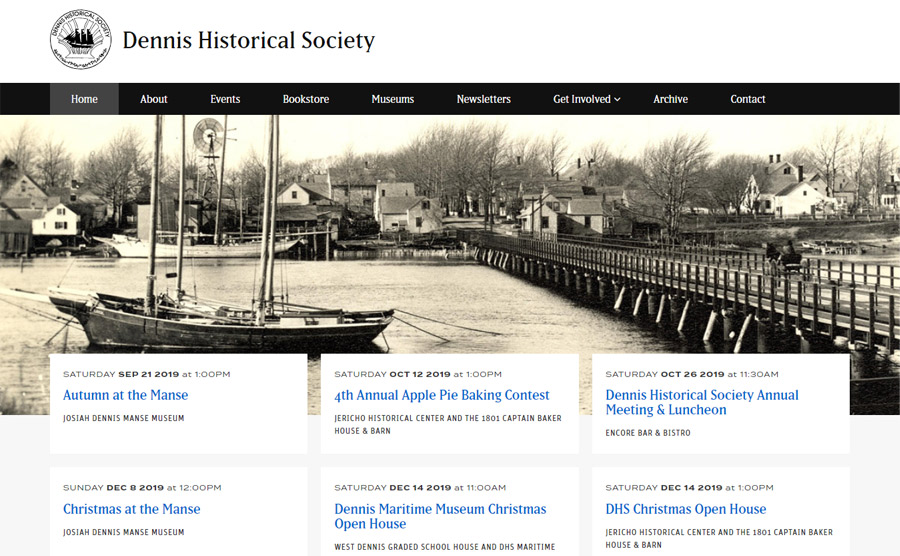
Dennis Historical Society needed a secure, responsive website that could present programs, museums, events, newsletters, books, and archival material clearly while making everyday publishing easier for nontechnical staff.
Context
Dennis Historical Society preserves, protects, and promotes the history of Dennis, Massachusetts. Its website needed to serve visitors, members, volunteers, researchers, and staff while reflecting the richness of the organization's collections and historic sites.
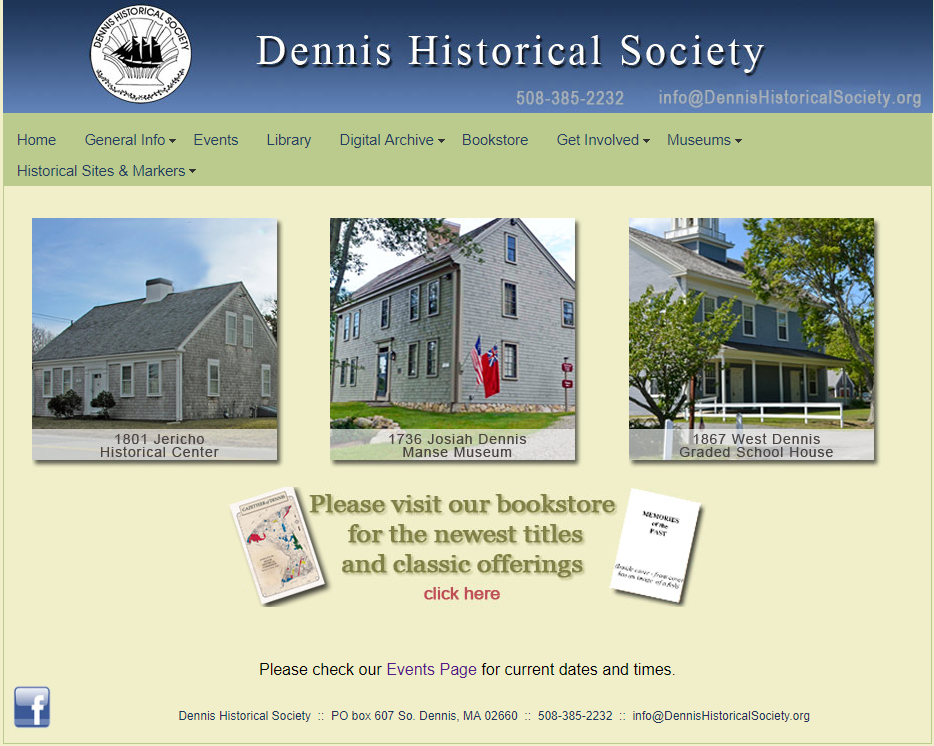
The previous site made that work harder. It had accessibility and security issues, weak information hierarchy, poor mobile usability, and an antiquated content management system that made routine copy edits slow and layout changes difficult.
Challenge
Accessibility
The redesign needed a clearer structure, better semantic patterns, and more legible layouts for visitors using a wide range of devices.
Security
The old site carried avoidable security and maintenance risks that made a CMS rebuild more practical than incremental patching.
Mobile
The previous site was difficult to use on small screens, so the new front end was built with responsive layouts from the start.
Publishing
Staff needed to add and edit content without fighting an inflexible administration experience.
Content model
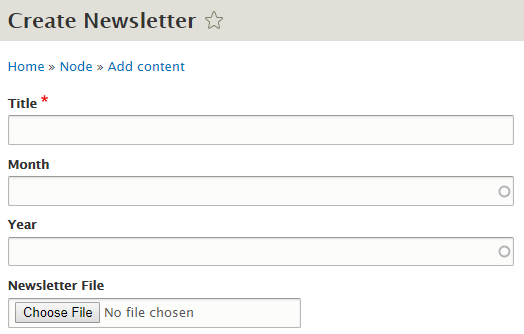
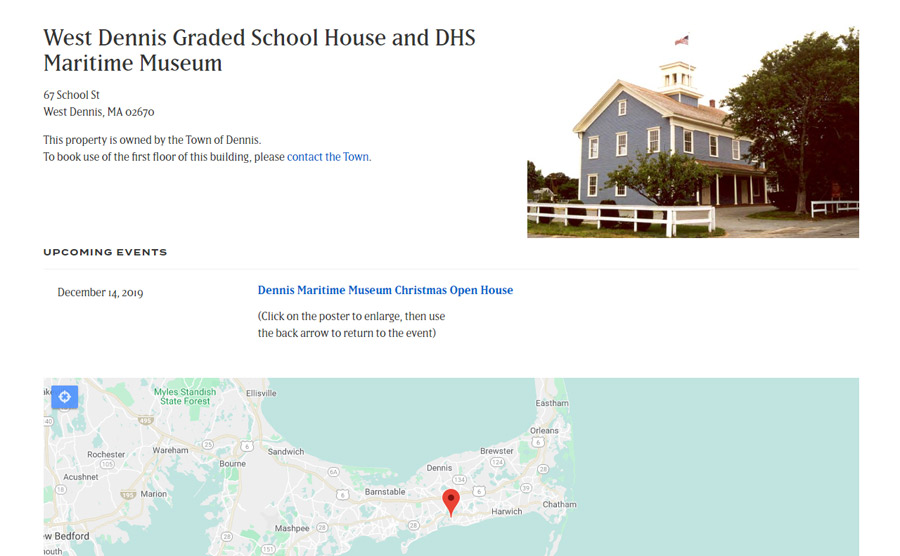
Events, newsletters, books, museum pages, and general pages needed custom fields so content could be syndicated where it belonged.
Imagery
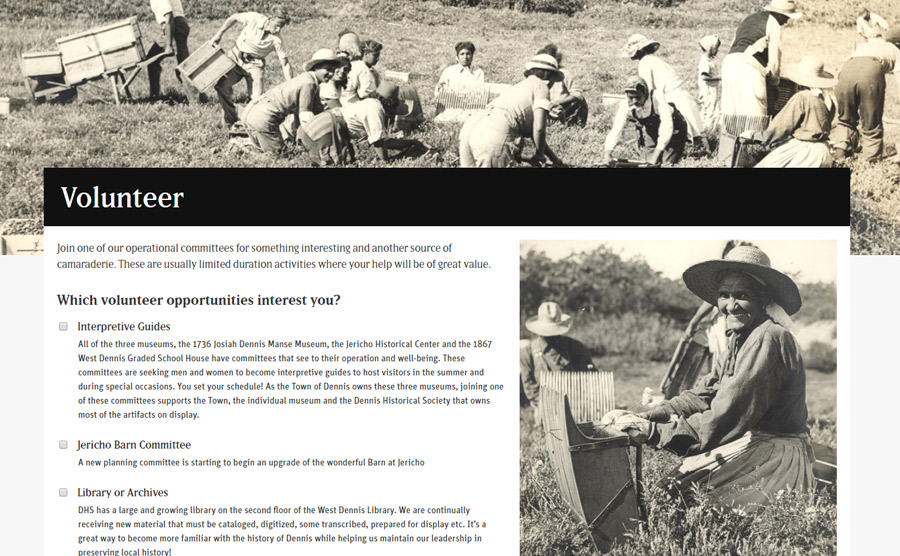
The design needed to surface historically significant images in a way that humanized the organization and gave each page a stronger sense of place.
Hosting
After design approval, the site was migrated to a cheaper and more capable hosting provider.
Detail
The project included details like a redrawn favicon so the site's identity felt considered at every scale.
The project was not just a redesign. It was a new publishing system for programs, places, collections, and community history.
No detail escaped attention, all the way down to a redrawn favicon.
Approach
Drupal 8 provided a strong foundation for the rebuild. Custom fields and content types were created for the kinds of information DHS needed to maintain, allowing content to be edited in one place and reused across the website.
The front end was rebuilt around clearer navigation, better content organization, responsive behavior, and custom layouts for different types of content. The design also leaned into DHS's archive of historical images so pages could show the organization's mission as much as explain it.
Outcome
The rebuilt site made it easier to add, edit, and display events, newsletters, books, museum information, and general pages. Staff could work inside a more focused CMS while visitors received a clearer, more responsive public experience.
The project also included a successful hosting migration, improving the operational foundation of the site while reducing cost. The result was a more maintainable digital presence for a small organization with a rich public mission.
Contact
Need a website that makes publishing easier for your team?